Diving into the world of raw manga opens up a unique landscape of Japanese storytelling, art, and cultural nuances untouched by localization. Raw manga, the original unfiltered manga in Japanese, attracts a dedicated audience eager to experience the authentic essence of manga before translation. Whether you’re a language learner, a seasoned manga enthusiast, or simply curious about Japanese art, understanding raw manga offers fascinating insights into Japan’s manga industry, linguistic subtleties, and the community that surrounds it.
In this comprehensive guide, we’ll explore the multifaceted realm of raw manga, including its allure, resources, legal considerations, cultural significance, and the evolving future of untranslated manga content. Explore with us how raw manga connects to language learning, art appreciation, and the broader manga ecosystem that continues to thrive worldwide.
Understanding Raw Manga: A Comprehensive Guide
Raw manga refers to manga comics presented in their original Japanese language, without any translation or localization. For many fans and learners, raw manga presents an unfiltered glimpse into the author’s original intent, dialogue, and cultural context. This raw format preserves nuances, idiomatic expressions, and artistic details that sometimes get lost or altered in translated versions.
From a technical perspective, raw manga often involves digital files or scanned print editions directly in Japanese. Readers prefer raw manga for its authenticity, but it requires a certain proficiency in Japanese to fully understand and appreciate its intricacies. Beyond language barriers, raw manga also offers a chance to experience manga as Japanese readers do — showcasing the original page layouts, sound effects, and text design that contribute significantly to the storytelling ambiance.
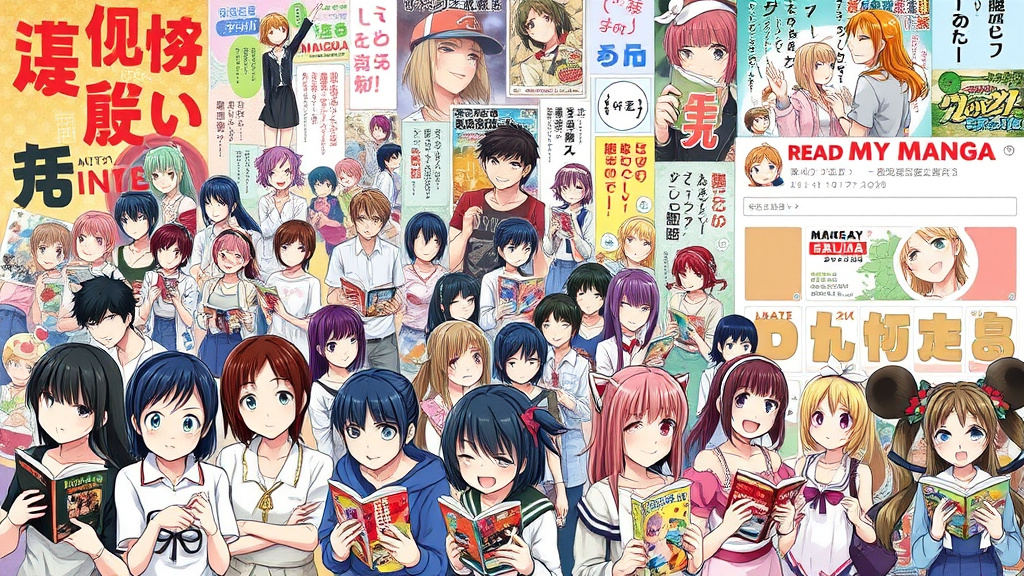 Hình minh họa: raw manga – www manga online com
The Allure of Raw Manga: Why Readers Seek Untranslated Content
The drive for raw manga stems from a profound desire to connect with manga on a deeper cultural and artistic level. Many fans find that translated versions, while more accessible, sometimes omit cultural references, wordplay, or visual details that are vital to drawing out the story’s full emotional impact. Raw manga provides the raw, unedited form, allowing readers to interpret and appreciate manga more authentically.
Additionally, raw manga fosters a sense of community among language learners and enthusiasts eager to improve their Japanese skills. For some, reading raw manga becomes an instant motivator — a challenging yet rewarding activity that pushes them beyond their comfort zone. It symbolizes a shared passion for Japanese culture, with many fans collecting raw editions to stay connected with the original intent of manga creators, whose work is vibrant, spontaneous, and steeped in cultural nuance.
Navigating the Raw Manga Landscape: Resources and Accessibility
The accessibility of raw manga has expanded considerably over recent years, thanks to the internet’s vast repositories of scanned materials and discussion forums. Dedicated websites and online communities like forums, Discord servers, and specialized manga sites often share high-quality scans, although their copyright status varies. Many fans use these to access raw manga, especially for popular or niche series, enabling them to study Japanese with contextually rich material.
However, navigating this landscape requires caution. The sheer volume of options and sources can be overwhelming, and not all are reliable or legal. Some sites host pirated manga, which raises serious ethical and legal questions. Improving accessibility, therefore, depends on understanding where to find legitimate sources—be it official publishers releasing raw editions, manga libraries, or fan-driven initiatives respecting copyright laws. The challenge lies in balancing legal access with the ardent desire for unfiltered manga material.
The Legal and Ethical Considerations of Reading Raw Manga
Engaging with raw manga presents significant legal and ethical considerations. Downloading or sharing scanned manga without the publisher’s permission infringes on intellectual property rights, undermining the manga industry’s sustainability. Many fans justify their actions by arguing that they provide support for difficult-to-access titles or that they learn the language through these images.
Yet, respecting creators’ rights is critical for fostering a healthy manga ecosystem. Some publishers have begun to release raw manga editions officially, recognizing the international demand for authentic original content. Supporting legal avenues, such as official digital publishers and manga stores, encourages the industry to grow and innovate. As consumers, it’s essential to weigh our curiosity and fandom against the respect owed to Japanese artists and publishers, fostering a respectful and sustainable manga community.
Language Barriers and Decoding Techniques for Raw Manga Readers
Reading raw manga in Japanese is a rewarding but demanding endeavor that often requires a considerable language skill set. For learners, the challenge is deciphering complex kanji, understanding colloquial speech, and tracking cultural references embedded within dialogue and visuals. Effective techniques such as studying kana, using OCR (Optical Character Recognition) tools, and comparing raws with official translations can significantly improve comprehension.
Moreover, decoding sound effects, which are a staple of manga artistry, can seem daunting. Context clues and experience help readers recognize common onomatopoeia, reinforcing their understanding of the scene’s mood and action. Ultimately, persistence, combined with supplementary language study, enhances the raw manga experience, offering a deep dive into Japanese syntax, idioms, and slang, broadening both manga appreciation and language proficiency.
Raw Manga and the Scanlation Community: A Complex Relationship
The relationship between raw manga and the scanlation community is multifaceted. Scanlators, or fan translators, often work from raw manga editions to produce translated versions accessible to international audiences. This community springs from a shared passion but walks a fine line regarding legality. They serve to democratize access to manga, especially for titles not officially licensed outside Japan, fostering cultural exchange.
However, reliance on raw manga as the source material complicates the issue. Some scanlation groups argue that providing unauthorized translations helps marginalized or overlooked series reach wider audiences; others stress the importance of copyright respect. While scanlations are a vital part of manga fandom, the ethical dilemma underscores the importance of promoting official releases and respecting intellectual property rights. The community continues to evolve, balancing the love for manga with respect for creators’ rights.
Beyond Translation: Appreciating the Art and Storytelling in Raw Manga
Raw manga emphasizes the importance of appreciating manga as an art form beyond its textual narrative. The visual storytelling—layout, panel flow, character expressions, backgrounds—is integral to manga’s emotional impact. Raw manga offers a pristine view of this artistic craftsmanship, allowing readers to experience the artist’s original vision in every brushstroke and sound effect.
Engaging with raw manga also encourages a deeper appreciation of cultural nuances—how Japanese humor, politeness, or societal norms are subtly woven into the storytelling. This heightened perception sharpens visual literacy, fostering an immersive experience that transcends language barriers. By studying raw manga, fans can hone their eye for detail, understand storytelling techniques unique to manga, and cultivate a profound respect for manga artists’ craftsmanship.
The Future of Raw Manga: Trends, Platforms, and Accessibility Improvements
The future of raw manga appears promising, with technological advances, shifting industry policies, and global demand driving changes. Platforms like official digital manga stores are increasingly offering raw editions, recognizing their value for language learners and enthusiasts alike. The growth of AI-assisted translation tools could also bridge time gaps, making raw manga more accessible before official translations are available.
Moreover, partnerships between publishers and digital platforms may lead to greater legal access to raw manga worldwide, reducing reliance on unofficial sources. Enhanced accessibility infrastructure, combined with language-learning apps and community-led initiatives, will likely foster a more inclusive environment where fans can explore raw manga comfortably and legally. As cultural exchange deepens, raw manga will continue to serve as a vital vessel for preserving and understanding Japanese storytelling in its authentic form.
Raw Manga as a Window into Japanese Culture and Language
Raw manga serves as a cultural mirror reflecting Japan’s social norms, humor, dialects, and everyday life. For language learners, reading raw manga is an immersive method for acquiring idiomatic expressions, slang, and regional dialects, which often get sanitized or lost in translations. It deepens the understanding of Japan’s societal values, subtle humor, and historical influences, offering an intimate look at Japanese society through comic art.
Furthermore, raw manga can inspire cross-cultural appreciation and dialogue. It reveals how Japanese authors express their unique worldview, balancing tradition and modernity. For anyone eager to understand Japan beyond tourist stereotypes, raw manga is both a linguistic treasure and a cultural portal—a visual and textual journey into the heart of Japanese life, language, and storytelling.
From Raw to Translated: The Journey of Manga Localization
The transformation of raw manga into translated versions involves a complex process of localization that extends beyond simple translation. It requires cultural adaptation, contextual explanations, and often, creative editing to suit different audiences while preserving the original’s spirit. This journey begins with scanlators or publishers accessing the raw files, then translating text, and finally, respecting the artistic elements like sound effects and layout.
Localization is critical in making manga accessible internationally, yet it also entails careful negotiation with original content. Working from raw manga allows translators to respect the creator’s intent and artistic nuances, but it also demands high linguistic skill and a keen understanding of Japanese culture. As manga continues its global expansion, the translation process remains a crucial link in nurturing authentic cultural exchange, allowing those who experience the raw version to appreciate the intricacies and intent embedded in every panel.
Conclusion
Exploring the world of raw manga offers a profound insight into Japanese art, language, and culture while highlighting ongoing debates about legality, ethics, and accessibility. As an unedited vessel of storytelling, raw manga provides a unique window into Japan’s societal nuances, creative artistry, and linguistic richness. Whether one seeks to improve language proficiency, appreciate manga artistry, or delve into Japan’s cultural fabric, raw manga remains a vital and dynamic element of the manga universe. The evolving landscape of digital platforms and industry support promises a future where authentic, legal raw manga becomes more accessible, fostering a global community deeply connected to Japan’s vibrant storytelling tapestry.